


Product Specifciations
| Country of Origin | India |
| FSSAI No | 11224331001661 |
| Shelf Life | Best before 18 months from the date of manufacture |
| Storage | Store in a cool, dry place away from direct sunlight and moisture. Keep tightly sealed after every use to preserve aroma and freshness. |
| Quality Assurance | Each jar of Rose Flower Tea is made from premium, handpicked petals carefully dried to preserve color, flavor, and aroma. FSSAI certified and packed in airtight glass jars to retain freshness and natural vibrancy. Free from caffeine, sugar, and additives — ensuring you experience hibiscus in its purest form. |
| Cancellation & Return | Orders can be cancelled before dispatch by contacting Customer Support at 84484 49735 (Mon–Sat, 10 AM – 6 PM). Once shipped, cancellations cannot be accepted. We accept returns or replacements only for damaged, defective, or wrongly delivered products. Please share images within 24 Hours of delivery. As coffee is a food product, returns for taste or preference cannot be accepted. |
Recommended Products
Frequently Asked Questions
Still have questions? Email Us
Rose tea is traditionally enjoyed for its soothing aroma and gentle properties. Daily consumption may support relaxation, hydration, and overall wellness when included as part of a balanced lifestyle.
Rose tea is often consumed after meals to promote digestive comfort. Its mild floral nature makes it suitable after heavy or spicy foods.
Rose tea contains natural plant compounds commonly linked with skin freshness. Many include it in beauty-focused routines alongside proper nutrition.
The natural fragrance of rose tea is known for its calming effect. Drinking it mindfully may help promote relaxation and mental comfort.
Rose tea has a delicate floral flavor with subtle sweetness. Its light aroma makes it enjoyable even without sweeteners.
Rose tea is generally safe for daily consumption in moderation. Being caffeine-free, it suits people seeking gentle herbal beverages.
Rose tea is commonly consumed at night due to its caffeine-free nature. Its aroma supports a calming evening routine.
Rose tea contributes to daily fluid intake. When served chilled, it becomes a refreshing summer beverage.
Rose tea is traditionally associated with digestive comfort. Many people drink it after meals for a light feeling.
Rose tea is generally mild, but people with sensitive digestion should start with small quantities.
Rose tea is best brewed by steeping dried petals in hot water for five to eight minutes without boiling excessively.
Rose tea blends well with chamomile, hibiscus, or mint, allowing customized flavors and aromas.
Rose tea is naturally caffeine-free, making it suitable for people avoiding stimulants.
Rose tea is often included in women’s wellness routines for relaxation and mindful self-care.
The natural floral aroma of rose tea may help freshen the mouth when consumed warm.
Rose tea is often consumed during fasting as it is light, caffeine-free, and aromatic.
Rose tea should be stored in an airtight container away from moisture and sunlight.
Rose tea may be given to children in small quantities after consulting a pediatrician.
Rose tea without sweeteners may suit mindful beverage choices. Medical advice is recommended.
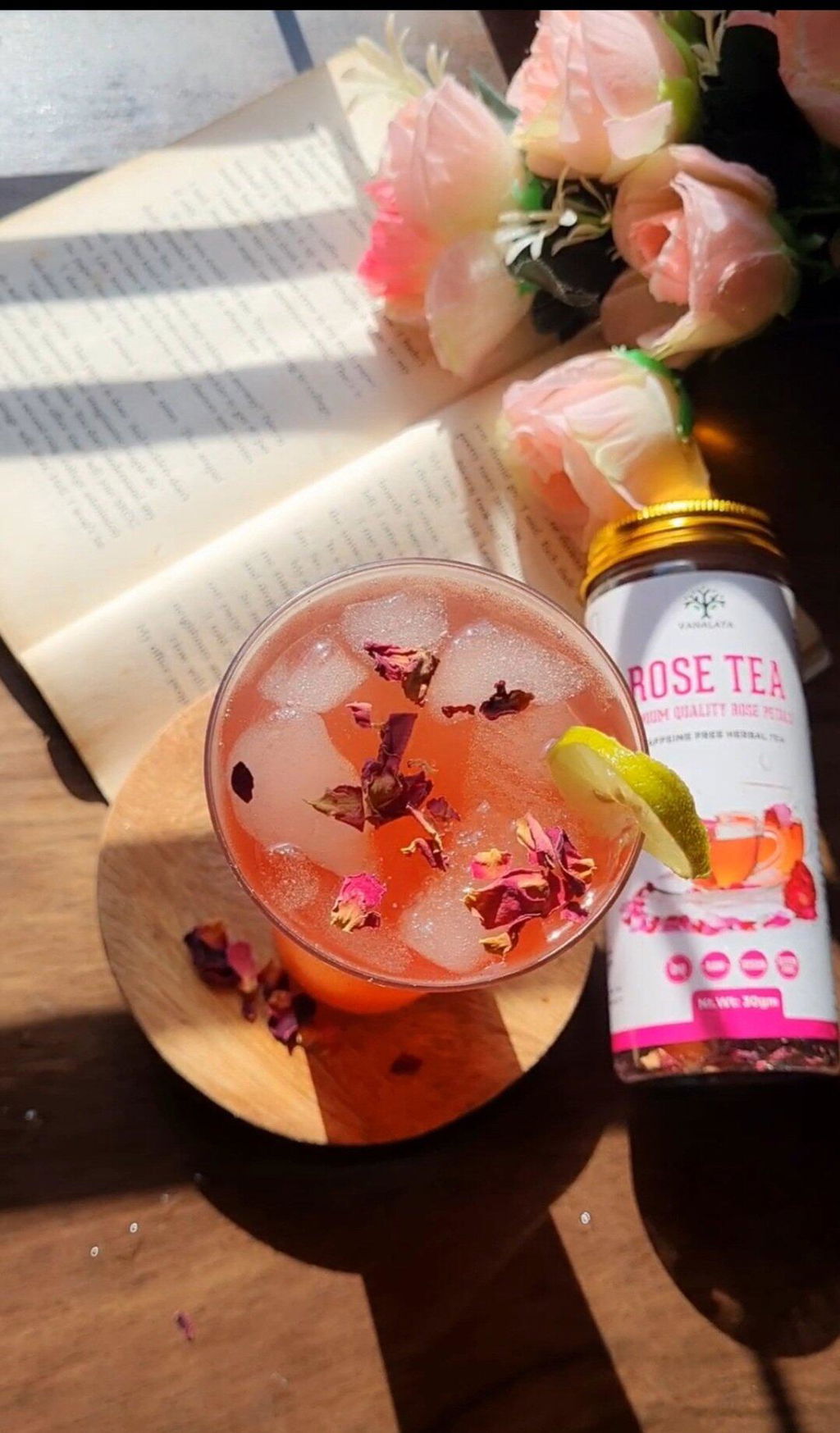
Rose tea can be enjoyed cold by chilling brewed tea for a refreshing floral drink.
Rose tea is traditionally consumed during menstrual periods for relaxation and comfort.
Rose tea is often included in gentle detox routines focused on hydration and balance.
Brewed rose tea can be refrigerated for up to twenty-four hours if stored properly.
Rose tea can be used in desserts and syrups for natural floral flavoring.
Rose tea fits well into daily wellness habits centered on calmness and hydration.


